


E-commerce AI’s ascent in 2025 has revolutionized the way online companies expand, market, and engage with their clientele. Ecommerce AI is now at the core of every effective digital strategy, from intelligent pricing to automated listings.
This revolution is being driven by platforms like Amazon AI, which are altering how sellers manage ads, optimize listings, and increase conversions. These days, data, automation, and clever algorithms are more important for success on Amazon USA, Amazon Prime, or even Shopify than guesswork.
Brands can now master Amazon Listing Optimization, Amazon PPC Management, and Amazon SEO Services to increase Amazon sales like never before with the help of Ecommerce AI-powered tools.
This article examines how Ecommerce AI is changing the eCommerce landscape. It is displacing antiquated techniques, and how sellers can leverage it to attain sustained eCommerce growth by 2025.
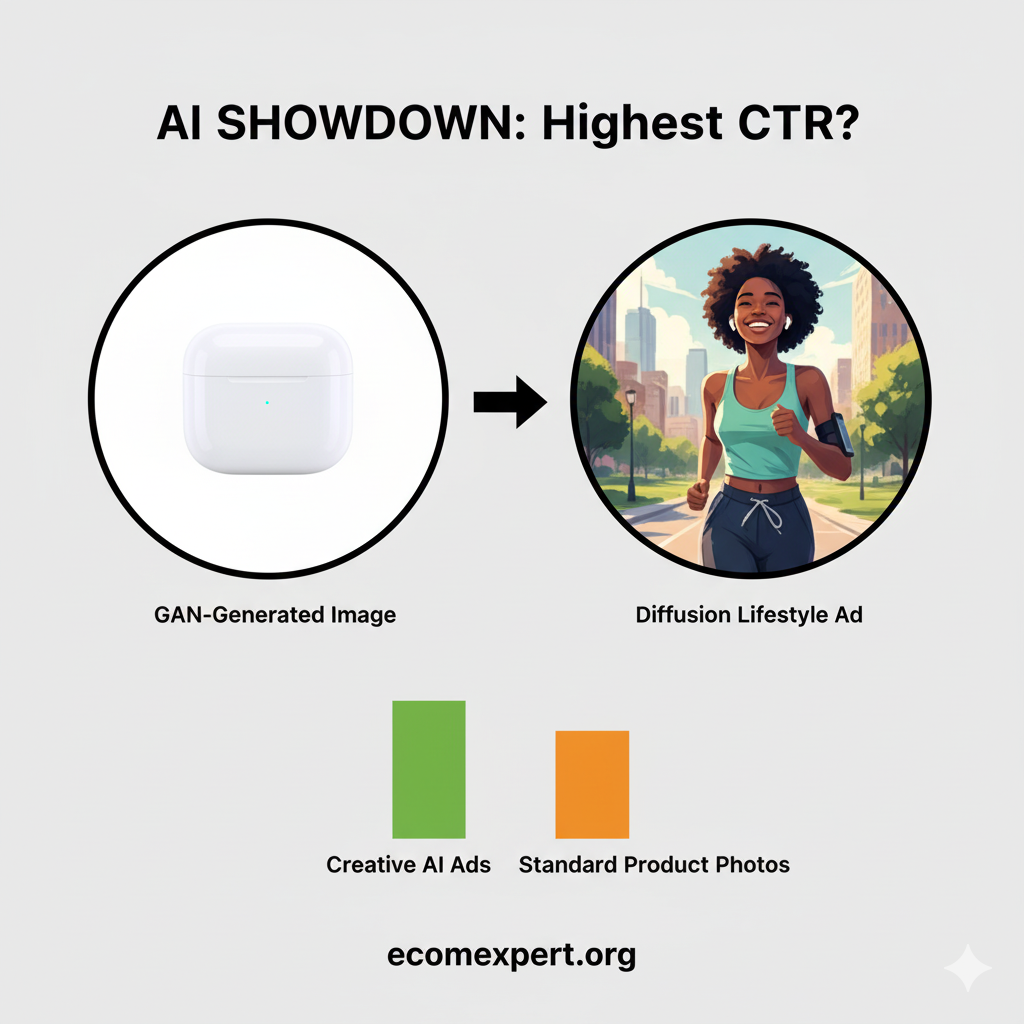
Learn more about the AI Image Generation Model to Boost CTR on Amazon
Where Ecommerce AI in 2025 Is Dead
1. Manual Product Management
By 2025, guesswork and manual updates will be eliminated. Artificial intelligence (AI) tools for e-commerce automatically update product titles, bullet points, and images to reflect shifting trends.
Amazon Sellers who use intelligent Amazon AI solutions for Amazon Listing Optimization outperform those who still rely on manual listing edits.
Listing tools with AI capabilities evaluate search data and modify content instantly, saving time and increasing visibility on all Amazon shopping platforms.
2. Generic Marketing & SEO
Nowadays, one-size-fits-all marketing is ineffective. Personalization will be a rule in 2025.
Sellers lose out on chances to target customer preferences and purchasing habits when e-commerce AI isn’t used. Platforms that use Amazon AI now target particular audiences with personalized ads, email flows, and recommendations, boosting engagement and revenue.
Amazon SEO Services are now more effective thanks to this innovation, which uses behavioral analysis and smart keyword targeting to help sellers outrank rivals.
3. Competition Based on price
The days of competing only on price are over.
Ecommerce AI determines dynamic prices that optimize revenue by examining demand trends, seasonal trends, and past purchases.
On Amazon business platforms, brands that rely only on underpricing or discounts lose credibility and visibility.
Instead, by employing data-driven, smart pricing strategies that complement brand value, sellers who use Ecommerce AI increase their profit margins.
4. Ignoring Data Insights
The power of analytics is still often overlooked by small businesses.
However, data will be the new gold in 2025, and e-commerce AI effectively mines it.
AI systems analyze thousands of data points that human marketers are unable to, from inventory forecasting to keyword research.
Sellers can identify underperforming SKUs, forecast the next popular product, and make strategic decisions more quickly than ever before with Amazon AI.
5. Short-Term Thinking
Quick wins are no longer the key to success in e-commerce.
For AI systems to learn and advance, they require data over time. Long-term growth on Amazon and consistency are lost by sellers who view E-commerce AI as a temporary solution. Those who develop an organized AI strategy, on the other hand, benefit from long-lasting outcomes, increased visibility, and increased customer trust.
Where Ecommerce AI in 2025 Is Alive

1. Amazon Listing Optimization Powered by AI
AI in e-commerce has revolutionized the creation of listings. AI automatically creates optimized titles, images, and bullet points by analyzing buyer behavior, search intent, and competitor data with algorithms.
Amazon AI gives sellers real-time information about what converts the best.
A seller of “eco-friendly home products,” for instance, can discover popular sub-keywords like bamboo kitchenware or sustainable cleaning supplies, which are automatically added to listings for optimal visibility.
Amazon Listing Optimization and Ecommerce AI work together to help brands dominate organic rankings while increasing conversion rates and click-through rates (CTR).
2. Smart Amazon PPC Management
A new era of pay-per-click advertising has begun.
By 2025, Ecommerce AI will optimize audience segmentation, keyword bids, and ad placements through predictive analytics.
Campaigns are automatically modified by Amazon AI according to conversion rates and competition levels.
In real time, AI dynamically allots budget, raises bids for high-converting ads, and pauses underperforming ones.
Better ROI, increased ad effectiveness, and steady eCommerce growth are what sellers concentrating on Amazon PPC Management can expect.
3. Personalized Shopping Experiences
Conversions are driven by AI personalization. AI in modern e-commerce comprehends customer intent, forecasts preferences, and suggests pertinent products across channels and devices.
AI produces experiences that feel human but function with machine precision, such as when Amazon Prime suggests essentials for the following day or when a Shopify store suggests related products.
By fostering trust, this emotional personalization converts one-time buyers into devoted patrons.
4. Predictive Supply Chain Management
Online shopping AI transforms logistics in addition to increasing sales on Amazon.
AI assists sellers with effective restocking by examining global trends, purchase patterns, and real-time demand for excess inventory.
This predictive power guarantees quicker fulfillment, fewer returns, and better cash flow for Amazon business users.
Today, AI-powered inventory forecasting is a crucial component of contemporary Amazon services.
5. Visual Search, voice & chatbots
The way people shop has changed as voice and visual search have become more popular. Customers can now upload an image to find related products or say, “Order running shoes on Amazon Prime,” thanks to e-commerce AI.
With the help of Amazon AI, these intelligent assistants can comprehend context, make product recommendations, and even respond to customer inquiries, saving hours of human support time.
AI chatbots are currently at the forefront of contemporary Amazon services, significantly enhancing response times and communication.
Ecommerce AI Trends for 2025
- AI-Powered Content Creation: Automated product listings and ad copy that follow keyword trends.
- Visual Commerce: Customers can shop by photo thanks to image recognition.
- Predictive Marketing: AI predicts what customers will purchase next in predictive marketing.
- Hyper-Personalized Ads: More intelligent targeting is provided by Amazon PPC Management tools.
- Data Transparency: Consumers favor companies that use moral AI.
- Sustainability Forecasting: AI forecasts trends in environmentally friendly products, bolstering the long-term expansion of eCommerce.
These developments demonstrate that Ecommerce AI is more than just a tool. It is the force behind the upcoming global online retail revolution.
How Ecommerce AI Boosts Amazon Sales
| Area | AI Function | Result |
| Product Listings | Ecommerce AI improves images and keywords | higher rankings |
| PPC Advertising | Amazon AI auto-adjusts bids | Improved ROI |
| Customer Experience | AI-powered recommendations | Increase conversions rate |
| Inventory | Predictive stock management | Decrease waste |
| SEO Optimization | AI-driven keyword tracking | Increase visibility |
Businesses can easily increase Amazon sales while preserving the scalability and integrity of their brands by combining these tools.
Why Experts Matter
Even though AI tools for e-commerce are strong, successful implementation requires skill. This is the role of organizations such as EcomExpert.org.
They specialize in:
- Advanced Amazon PPC Management is their area of expertise.
- Astute Optimization of Amazon Listings
- Complete Services for Amazon SEO
- Integrating AI strategically for long-term eCommerce growth
By collaborating with professionals, you can maximize your Ecommerce AI investment’s visibility and profitability.
FAQs
1. What is Ecommerce AI in 2025?
From keyword research to customer experience, ecommerce AI leverages artificial intelligence to automate and optimize online selling, particularly across Amazon services.
2. How does Amazon AI help sellers?
To increase productivity and sales on Amazon, Amazon AI helps with pricing, ad automation, listing optimization, and data-driven marketing.
3. Is Ecommerce AI suitable for small sellers?
Indeed. AI tools are now integrated into many Amazon services, making it simple for small and mid-sized businesses to use them for SEO and Amazon PPC Management.
4. How can I start using AI for my Amazon business?
Start with programs like Helium 10 and Jungle Scout, or collaborate with organizations that provide integrated Ecommerce AI solutions, such as EcomExpert.
5. Will AI replace human marketers?
No, AI enhances human judgment. While experts offer strategy, creativity, and brand direction, it manages data.
Conclusion
Ecommerce AI is the way of the future for online businesses. Particularly in Amazon AI ecosystems, it is revolutionizing product discovery, pricing, marketing, and fulfillment.
While AI-powered Amazon SEO Services, Amazon Listing Optimization, and Amazon PPC Management are propelling enormous eCommerce growth, antiquated manual methods are rapidly becoming obsolete.
Today’s sellers who use Ecommerce AI benefit from increased customer loyalty, long-term visibility, and steady profits.
Ignoring it puts one at risk of falling behind in a world driven by AI. Your brand can master Ecommerce AI, leverage Amazon AI, and significantly increase Amazon sales in 2025 and beyond with the correct approach and advice from EcomExpert.